• How to Know When You’ve Found the Right Home

    Buying a home is one of the biggest decisions you’ll ever make, so it’s completely natural to wonder if you’re making the right choice.

    Many buyers expect there to be one perfect home that immediately stands out above the rest. While that certainly happens for some people, more often than not, finding the right home is about recognizing when a property fits your needs, your lifestyle, and your long-term goals.

    If you’ve been touring homes and wondering how you’ll know when you’ve found the right one, here are a few things to keep in mind.

    It Fits Your Lifestyle

    A home is much more than its number of bedrooms or square footage.

    Think about what your daily routine will actually look like. Is your commute manageable? Are your favorite restaurants, parks, or grocery stores nearby? Can you picture yourself enjoying the neighborhood on a Saturday morning or relaxing there after work?

    Think beyond the home itself. Consider how long it takes to get to work, where you’ll buy groceries, whether there are parks or walking trails nearby, and how close you are to family and friends. These details might seem small at first, but they’re the things you’ll experience every single day.

    A beautiful home can lose some of its appeal if it makes your daily routine more difficult. On the other hand, a home that fits naturally into your lifestyle often becomes one you enjoy even more after you’ve moved in.
    You Can Picture Yourself Living There

    Sometimes the biggest sign isn’t something you can measure.

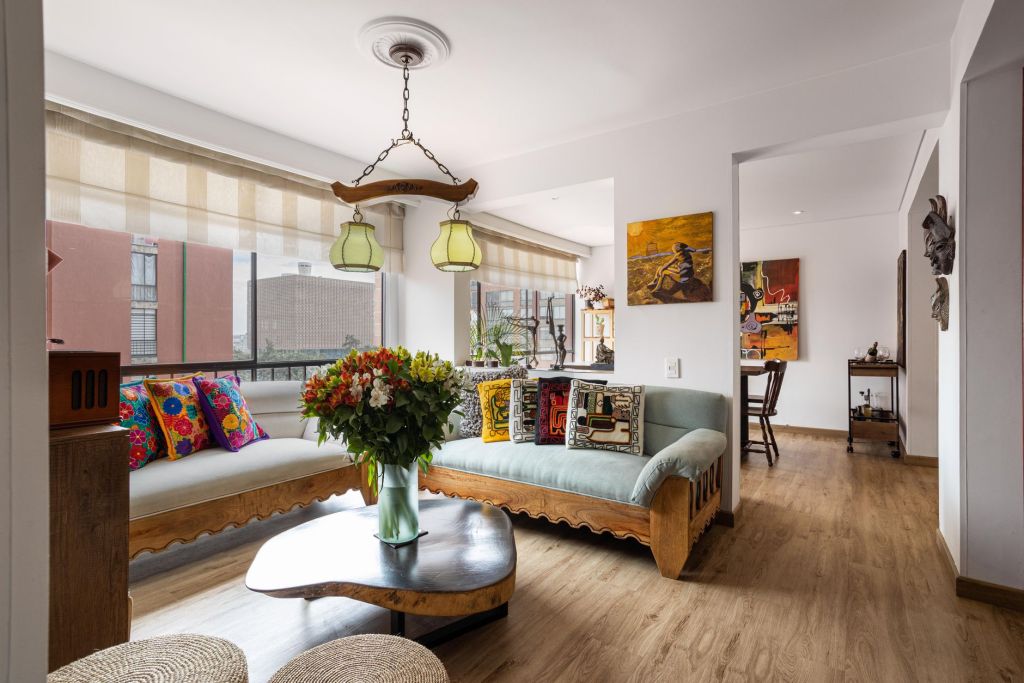
    As you walk through a home, you may naturally begin imagining where your furniture would go, how you’d decorate different rooms, or what holidays and family gatherings might look like there.

    Many buyers spend the first few minutes of a showing evaluating the home. Then, without even realizing it, they begin imagining life there instead. They start picturing where the Christmas tree might go, how they’d set up a home office, or what it would be like to invite friends over for dinner.

    While those thoughts shouldn’t replace practical considerations, they’re often a sign that you’re beginning to connect with the home on a personal level.
    It Meets Your Priorities

    Every buyer has a wish list, but very few homes check every single box.

    That’s why it’s helpful to separate your “must-haves” from your “nice-to-haves.” If a home has the features that matter most to you, whether that’s an extra bedroom, a home office, a backyard, or a convenient location, it may be a better fit than a home with more upgrades but fewer of your priorities.

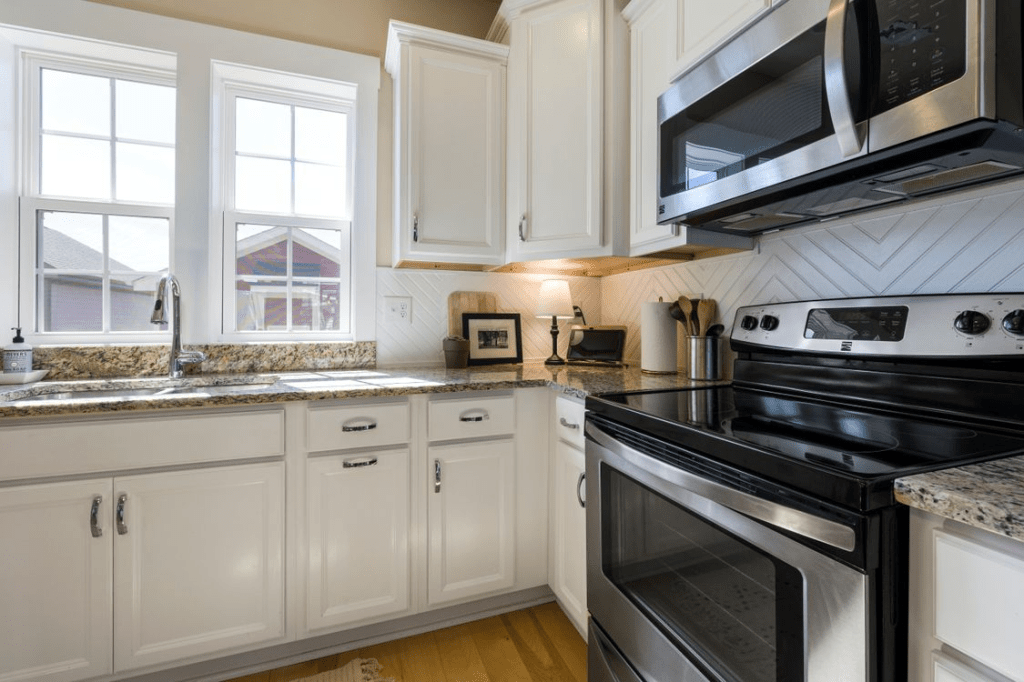
    A beautifully updated kitchen or luxurious primary bathroom can certainly be appealing, but those features may not matter as much if the home doesn’t meet your biggest priorities. Keeping your “must-haves” in mind can help you stay focused when every showing starts to blend together.

    The goal isn’t to find perfection. It’s to find a home that supports the way you want to live.
    You’re Thinking About the Future

    It’s easy to focus on what you need today, but buying a home is often a long-term decision.

    Will the home still work for you in a few years? Does it have enough space if your family grows? Is there room for a home office if your work situation changes? Thinking beyond today can help you feel more confident in your decision.

    Life has a way of changing over the years. Careers evolve, families grow, hobbies change, and what feels perfect today may not fit your needs forever. While no one can predict the future, choosing a home with a little flexibility can help you feel more confident in your decision.

    Sometimes it’s worth asking not just, “Does this home work for me today?” but also, “Will I still enjoy living here five years from now?” If the answer to both questions is yes, you’ve probably found a home that’s worth serious consideration.

    It Feels Right, But It Also Makes Sense

    Buying a home is both an emotional and a financial decision.

    It’s perfectly normal to feel excited about a home, but it’s equally important to make sure it fits comfortably within your budget and aligns with your long-term goals. A home should feel like a place you’re excited to live without creating unnecessary financial stress.

    It’s easy to fall in love with a beautiful home, but excitement shouldn’t overshadow practicality. Before making an offer, take a step back and ask yourself whether the monthly payment fits comfortably within your budget, whether the home meets your long-term goals, and whether you’re still excited about it after the emotions of the showing have worn off.

    The best decisions usually come when your head and your heart agree.

    There’s no single moment that tells every buyer they’ve found the right home. For some, it’s the moment they walk through the front door. For others, it’s a gradual realization after comparing several properties and thinking about how each one fits their lifestyle.

    The perfect home doesn’t have to be flawless. It simply has to be the one that feels like the best fit for you.

    One thing I’ve learned is that buyers rarely remember every detail about the dozens of homes they toured. What they do remember is how a particular home made them feel. Sometimes that feeling comes from a welcoming neighborhood, sometimes from a bright kitchen, and sometimes from simply realizing, “I could see myself living here.”

    While it’s important to stay practical throughout the buying process, it’s okay to trust that feeling when it’s supported by everything else you’ve learned.

    If you’re considering buying a home in Westchester County, I’d be happy to help you navigate the process, compare your options, and find a home that fits both your needs and your lifestyle. Feel free to reach out anytime to start the conversation!

  • What Does $750,000 Buy You in Westchester County?

    It’s exciting to start browsing homes online, but one of the first questions many buyers ask is, “How far will my budget actually go?”

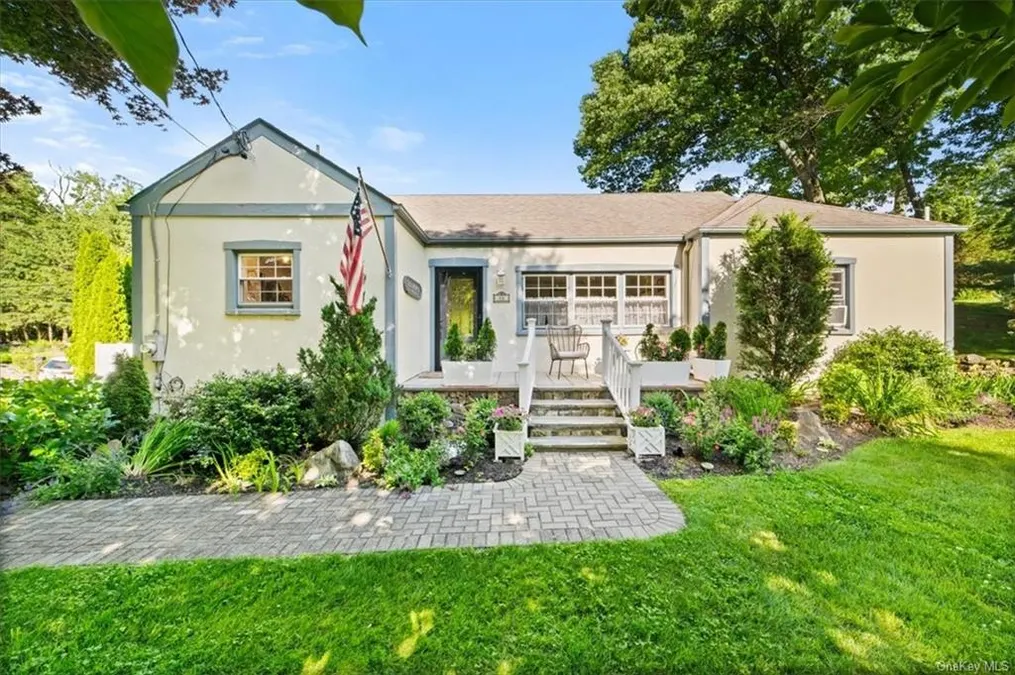
    In Westchester County, the answer depends largely on where you’re looking. A budget of around $750,000 can mean a downtown condominium with an easy commute in one community, or a spacious single-family home with more outdoor space in another.

    Neither option is necessarily better than the other. It all comes down to the lifestyle you’re looking for and what matters most to you. While the housing market is always changing, here’s a general idea of what buyers can often expect around this price point in some of Westchester’s most popular communities.

    White Plains

    If convenience is at the top of your list, White Plains is often one of the first communities buyers explore.

    With a budget around $750,000, you may find a modern condominium, a townhouse, or a smaller single-family home depending on the neighborhood and current market conditions. White Plains offers a wide variety of housing, making it a popular choice for first-time buyers and anyone looking for flexibility.

    Beyond the home itself, you’re buying into a community with a vibrant downtown, excellent Metro-North access, and plenty of restaurants, coffee shops, and local businesses within easy reach. If your ideal weekend includes walking to brunch, browsing local shops, or meeting friends downtown, White Plains is certainly worth considering.

    Tarrytown

    For buyers who picture themselves in a community with historic charm and scenic river views, Tarrytown offers a very different experience.

    Around the $750,000 price point, buyers may find a condominium, townhouse, or a smaller single-family home depending on the location and available inventory. While waterfront homes and some historic properties often command higher prices, this budget can still provide opportunities to become part of one of Westchester’s most recognizable river towns.

    Spend an afternoon walking along Main Street, stopping into a local café, or enjoying the Hudson River waterfront, and it’s easy to understand why so many buyers are drawn to Tarrytown’s character.

    Yorktown

    If your priorities lean more toward space and privacy, Yorktown may be worth adding to your search.

    A budget of around $750,000 can often provide opportunities for larger single-family homes with bigger yards than you might find in some southern Westchester communities. For buyers who don’t mind being a little farther from New York City, that additional space can make a meaningful difference.

    Yorktown appeals to many buyers who picture weekends spent outdoors, quiet residential neighborhoods, and a little more room to grow. For some, that’s exactly what makes it feel like home.

    Rye

    Rye offers a lifestyle that’s unlike many other communities in Westchester.

    Its waterfront setting, beaches, parks, and walkable downtown continue to make it one of the county’s most desirable places to live. At the $750,000 price point, buyers will often find condominiums or townhouses, while many single-family homes may fall into higher price ranges.

    For buyers who enjoy being close to the water and appreciate an active coastal community, Rye offers a unique lifestyle that’s difficult to replicate elsewhere in the county.

    Pleasantville

    Pleasantville may be smaller than some of its neighboring communities, but that’s part of what makes it so appealing.

    A budget around $750,000 may provide opportunities for smaller single-family homes, townhouses, or condominiums depending on what’s available. More importantly, it offers buyers a welcoming community with a walkable downtown, locally owned businesses, and a relaxed atmosphere.

    Spend a Saturday exploring the village, grabbing lunch at a local restaurant, or attending one of the community events held throughout the year, and you’ll quickly get a sense of why so many residents enjoy calling Pleasantville home.

    It’s About More Than Price

    One of the things that makes Westchester County so unique is that the same budget can create very different lifestyles.

    Some buyers are happiest in a lively downtown close to the train, while others are looking for larger yards, quieter neighborhoods, or easy access to parks and nature. That’s why it’s just as important to explore different communities as it is to tour different homes.

    The right house is important, but the right neighborhood is where you’ll build your everyday life.


    A budget of around $750,000 can open the door to a wide variety of opportunities throughout Westchester County. The key isn’t simply finding the most house for your money but rather finding the community that feels like the best fit for you and your lifestyle.

    If you’re considering buying a home in Westchester County, I’d be happy to help you compare communities, answer your questions, and show you what your budget could look like in today’s market. Feel free to reach out anytime to start the conversation.

  • 5 Westchester Towns Worth Visiting Before You Buy

    Finding the right home is important, but choosing the right community is just as meaningful. Every town in Westchester has its own personality, and while online research can be a great starting point, there’s no substitute for in-person experiences.

    One of the best ways to decide where you’d like to live is by spending a few hours exploring different communities. Grab a coffee, take a walk-through downtown, visit a local park, and imagine what everyday life might look like there.

    If you’re just beginning your home search, consider spending a weekend getting to know some of Westchester’s most popular communities. Here are five great places to start.

    White Plains

    If you’re looking for a balance between suburban living and city convenience, White Plains is a great place to start.

    Spend some time walking through the downtown area, where you’ll find a wide variety of restaurants, coffee shops, and local businesses. If you have time, visit one of the nearby parks or simply walk through a few residential neighborhoods to get a feel for the different housing styles the city has to offer.

    If you enjoy the energy of a downtown while still wanting the benefits of suburban living, White Plains is a community worth experiencing in person.

    Tarrytown

    Situated along the Hudson River, Tarrytown offers a completely different atmosphere.

    Its historic downtown, waterfront views, and locally owned restaurants give the village a welcoming atmosphere that keeps people coming back. Take a walk over to Patriots Park, enjoy lunch at one of the many cafés, or spend some time along the river to get a sense of what everyday life is like.

    Tarrytown is often a favorite among buyers who enjoy walkable communities with plenty of character.

    Bronxville

    Bronxville is known for its charming village center and pedestrian-friendly streets.

    Boutique shops, cafés, and beautifully maintained neighborhoods all contribute to its appeal. It’s a community where many daily errands can be done on foot, and the Metro-North station makes commuting into New York City convenient.

    For buyers looking for a smaller community with a classic village feel, Bronxville is worth adding to your weekend itinerary.

    Rye

    If spending time near the water is important to you, Rye offers a unique lifestyle that’s different from many other Westchester communities.

    From waterfront parks to beaches and a walkable downtown, Rye combines coastal charm with everyday convenience. Spend the afternoon exploring the downtown area before visiting one of the city’s waterfront parks to experience another side of the community. Consider Playland Park if it’s in season and you’re up for some thrills!

    It’s a great option for buyers who enjoy being outdoors and want easy access to the Long Island Sound.

    Pleasantville

    Pleasantville may be smaller than some of its neighboring communities, but that’s part of what makes it so appealing.

    Its walkable downtown, local businesses, community events, and welcoming atmosphere give it a close-knit feel that many buyers appreciate. Take some time to explore the village center, stop by a local café, and walk through the surrounding neighborhoods to get a sense of everyday life.

    For buyers looking for a quieter community without giving up convenience, Pleasantville is certainly worth a visit.


    No amount of online research can replace spending time in a community yourself. Walking through a neighborhood, visiting local businesses, and experiencing the atmosphere firsthand can often tell you more than photos or listings ever could.

    Every buyer’s priorities are different, which is why there isn’t a single “best” town in Westchester. The right community is the one that feels like home to you.

    If you’re thinking about buying a home in Westchester County, I’d be happy to help you explore different communities, answer your questions, and guide you toward the neighborhood that best fits your lifestyle.

  • Community Spotlight: White Plains

    Every community in Westchester County has something different to offer, and that’s one of the reasons so many people choose to call the area home. Whether you’re relocating from New York City or moving within Westchester, taking the time to learn about each community can help you find the one that best fits your lifestyle.

    In this Community Spotlight (a first for the blog!), we’re taking a closer look at White Plains. One of Westchester’s most well-known cities, it’s a popular choice for first-time buyers, commuters, and anyone looking for a balance between suburban living and city convenience.

    Convenient for Commuters

    White Plains has long been a popular destination for commuters thanks to its Metro-North station, which provides direct service to Grand Central Terminal. Major roadways like I-287 and the Bronx River Parkway also make it easy to travel throughout Westchester and neighboring counties.

    For many people relocating from New York City, maintaining a manageable commute is one of the biggest priorities when searching for a home. White Plains offers that convenience while also providing more space and a slower pace than city living. Its accessibility is one of the reasons White Plains continues to attract buyers from both inside and outside the county.

    A Downtown That Stays Active

    One of the defining features of White Plains is its downtown; restaurants, coffee shops, local businesses, entertainment, and shopping are all within walking distance in many parts of the city. Throughout the year, community events help bring residents together and cultivate an active, welcoming feel.

    For buyers moving from New York City, having a walkable downtown often makes the transition to suburban life feel more familiar. It’s possible to enjoy the convenience of grabbing a coffee, meeting friends for dinner, or spending an afternoon exploring local shops without having to drive everywhere. That combination of accessibility and suburban comfort is something many residents appreciate.

    A Variety of Housing Options

    Whether you’re interested in a downtown condominium, a townhouse, or a single-family home in one of the city’s residential neighborhoods, there are homes that appeal to a variety of budgets and lifestyles. White Plains’ wide selection ensures you can find what you’re looking for.

    This variety gives buyers the opportunity to explore different options without limiting their search to one type of property. Some buyers may look for a low-maintenance condo close to the train, while others prefer a quieter neighborhood with a little more outdoor space. Having those choices within one community allows buyers to focus on finding the home that best fits their current needs while also thinking about their long-term goals.

    Parks and Recreation

    White Plains is home to parks, walking paths, recreational facilities, and nearby green spaces that offer residents a chance to slow down and enjoy everything the community has to offer. Whether you’re taking an evening walk, spending time with family, or simply looking for a quiet place to unwind, these spaces add another dimension to everyday life.

    Having access to both an active downtown and outdoor recreation is one of the things that makes White Plains appealing to such a wide range of buyers. It’s a community where convenience and quality of life go hand in hand.

    Is White Plains Right for You?

    Like every community in Westchester County, White Plains has its own personality.

    Some buyers are drawn to its convenient commute and lively downtown, while others appreciate the variety of homes and local amenities. The best way to know if it’s the right fit is to spend time exploring the neighborhoods and experiencing the community for yourself.

    Visiting local businesses, walking through different neighborhoods, and seeing the city at different times of the day can give you a much better understanding of what life there is really like. Finding the community for you isn’t as simple as just checking boxes; rather, it’s about discovering a place where you’ll feel right at home.


    Final Thoughts

    White Plains is just one of many unique communities throughout Westchester County, each offering something a little different. Taking the time to explore your options can help you find the place that feels like home, whether you’re looking for a lively downtown, an easy commute, or a neighborhood that fits your lifestyle.

    If you’re considering buying a home in White Plains or anywhere else in Westchester County, I’d be happy to answer your questions, introduce you to different communities, and help you find the home that’s right for you.

    At a Glance:
    • Best For: Commuters, first-time buyers, those who enjoy a walkable downtown
    • Commute to NYC: Direct Metro-North line to Grand Central
    • Housing: Condos, townhomes, and single-family homes
    • Lifestyle: Urban-suburban mix with ample shopping, dining and parks
    • Known For: A vibrant downtown, convenient transportation, and a wide variety of housing options
  • Which Westchester Town is Right for You?

    One of the biggest advantages of living in Westchester County is the variety of communities you’ll find here. While many people moving from New York City know they want more space and a quieter lifestyle, choosing the right town can feel overwhelming at first.

    The truth is, there’s no single best place to live in Westchester. What you’re really looking for is the community that best fits your lifestyle, priorities, and budget.

    Whether you’re looking for an easy commute, a walkable downtown, excellent schools, or plenty of outdoor space, here’s a look at what some of Westchester’s most popular communities have to offer.

    For an Easy Commute to NYC

    If commuting into Manhattan is a priority, towns with convenient Metro-North access are often at the top of buyers’ lists.

    Communities like White Plains, Scarsdale, Pelham, and Harrison offer relatively quick train rides into the city while providing the added space and quieter neighborhoods that many buyers are looking for.

    If you’ll be commuting several days a week, considering travel time before choosing a home can make a big difference in your day-to-day routine.

    For Walkable Downtowns

    Many buyers moving from the city want more space without giving up the convenience of being able to walk to restaurants, coffee shops, and local businesses.

    Towns such as Tarrytown, Bronxville, Larchmont, and White Plains offer vibrant downtown areas where shopping, dining, and community events are all close by.

    These communities often provide a balance between suburban living and an active local atmosphere.

    For More Space and a Quieter Setting

    If having a larger yard, more privacy, or access to nature is high on your list, northern Westchester may be worth exploring.

    Communities like Yorktown, Somers, North Salem, and Bedford offer larger properties, scenic surroundings, and a slower pace of life. For many buyers relocating from the city, that’s exactly what they’re hoping to find.

    For many buyers, these areas offer the peaceful environment they’re hoping to find after leaving the city.

    For Families Looking Ahead

    Many families begin their home search by thinking about more than just the house itself. Parks, recreational programs, libraries, community events, and school districts often become just as important as square footage.

    Westchester offers a wide variety of family-friendly communities, each with its own unique character. Taking time to visit different neighborhoods can help you determine which one feels most like home.

    Every Town Has Its Own Personality

    One of the things that makes Westchester so special is that no two communities are exactly alike.

    Some towns feel lively and energetic, while others are quiet and tucked away. Some are centered around charming downtowns, while others are known for their parks, trails, or larger residential neighborhoods.

    The best way to discover which town is right for you is to spend time exploring the communities that match your lifestyle and long-term goals.


    Finding the right home is important, but finding the right community is just as meaningful.

    Every buyer’s priorities are different, and that’s one of the reasons Westchester has become such a popular place to call home. Whether you’re relocating from New York City or simply looking for a change within the area, taking the time to explore different towns can help you find a community that truly fits your lifestyle.

    If you’re considering a move to Westchester County, I’d be happy to help you compare neighborhoods, answer your questions, and find a home that’s the right fit for you. Feel free to reach out anytime to start the conversation.

  • 10 Questions Every First-Time Homebuyer Should Ask at an Open House

    Walking into an open house is exciting! You finally get to picture yourself living in the space you’ve been scrolling through online. But beyond the fresh paint, staged furniture, and beautiful kitchens, an open house is also your opportunity to gather valuable information that could influence your decision.

    Asking the right questions helps you avoid surprises and gives you a clearer understanding of the home’s condition, ongoing costs, and overall value. Here are ten important questions every first-time buyer should ask during an open house.

    “How long has the home been on the market?”

    A home’s time on the market can tell you a lot. If it’s newly listed, there may be strong competition. If it’s been available for several weeks or longer, it doesn’t necessarily mean something is wrong, but it’s worth asking why it hasn’t sold yet.

    Understanding the home’s history can also help when it comes time to make an offer.

    “Have there been any major updates or renovations?”

    It’s helpful to know what improvements have already been made. Ask about updates such as roof replacements, windows, plumbing or electrical work, and even major room renovations in areas like the kitchen or the bathroom.

    Recent upgrades can reduce maintenance costs in the near future, while older systems may require budgeting for future repairs.

    “What are the average monthly utility costs?”

    Monthly expenses go beyond your mortgage payment.

    Heating, cooling, electricity, water, and sewer costs can vary significantly depending on the home’s size, age, and overall energy efficiency. Having a general idea of these expenses will help you build a realistic monthly budget.

    “Are there any HOA fees or special assessments?”

    If you’re touring a condo, townhouse, or community with a homeowners association, ask what the monthly fees include.

    Some associations cover landscaping, snow removal, exterior maintenance, or amenities, while others may have upcoming assessments for major repairs or improvements. Knowing these costs upfront helps you avoid unexpected expenses later.

    “How old are the major systems and appliances?”

    Ask about the age of important components in the home. Consider the age of the furnace, AC, water heater, roof, and even any kitchen appliances.

    Even if everything is currently working well, understanding the remaining lifespan of these items helps you prepare for future maintenance and replacement costs.

    “What is the neighborhood like?”

    The home itself is only part of the picture.

    Ask about nearby parks, restaurants, shopping, commuting options, schools, and community events. If possible, visit the neighborhood at different times of the day to get a better feel for traffic, noise levels, and overall atmosphere. There’s a lot to appreciate in a good neighborhood.

    “Have there been multiple offers?”

    This question can give you insight into how competitive the situation may be.

    If there are already multiple offers, you’ll know to be prepared to move quickly with your financing and decision-making. If not, you may have a bit more flexibility when negotiating.

    “Are there any known issues with the property?”

    Sellers are generally required to disclose certain known issues, but it’s still worth asking directly.

    You may learn about previous water damage, foundation repairs, drainage concerns, or other repairs that have already been addressed. A professional home inspection will give you a complete evaluation, but it is still good to know about pertinent issues as soon as possible.

    “Why is the seller moving?”

    While every seller’s situation is unique, understanding their motivation can sometimes provide helpful context.

    Every seller has different reasons for moving, and understanding those reasons can sometimes provide helpful context. Even if it isn’t particularly relevant to your circumstances, this information may help you better understand the overall timeline and expectations.

    “What makes this home stand out compared to others nearby?”

    The listing agent knows the property well and can often highlight features that aren’t immediately obvious.

    Maybe the home has unusually low utility costs, recent improvements, a larger lot, or a location that’s especially desirable within the neighborhood. These details can help you compare homes more confidently as you continue your search.


    An open house is a great time to decide if you like a home; more importantly though, it’s your opportunity to gather information that will help you make a confident, informed decision.

    The more questions you ask, the better prepared you’ll be when it’s time to make an offer.

    If you’re thinking about buying a home in Westchester County or the surrounding area, I’d be happy to guide you through every step of the process, from your first open house to closing day. Feel free to reach out anytime with questions or to start your home search.

  • Moving from NYC to Westchester: 7 Things That Surprise Most Buyers

    When most people think of New York, regardless of their familiarity with the state, they’re likely thinking about either New York City, or Westchester County. Encompassing numerous cities and towns, Westchester houses over one million New Yorkers; New York City, I think everyone can agree its size and influence speak for itself.

    From a real estate perspective, it’s worth considering what goes into moving between these two major areas of the state. A majority of housing in the city is renter-occupied, so let’s imagine what it’s like for a renter in the city to save up their money and finally take their first step into homeownership. If they’re looking into the nearby Westchester area, what opportunities await them, and what aspects of suburban homeownership might surprise them?

    Looking Beyond the Listing Price

    For many first-time buyers coming from New York City, one of the biggest surprises is how much more home their budget can afford. Extra living space, a dedicated home office, a private yard, and access to a wide variety of communities can suddenly feel within reach.

    Of course, evaluating a home’s affordability involves more than the purchase price alone. Property taxes vary significantly from town to town throughout Westchester County and play an important role in determining the true monthly cost of ownership. Before falling in love with a property, it’s worth looking at the complete financial picture rather than focusing solely on the listing price.

    The Right Commute for Your Lifestyle

    For many city residents, the daily commute is already a familiar part of life. However, moving to Westchester can introduce new factors that aren’t always obvious when looking at a map. A train ride into Manhattan may only take a certain amount of time, but getting to the station, finding parking, and unexpected delays can add to the overall journey.

    As a result, two towns with similar distances from the city can offer very different commuting experiences. Buyers often discover that choosing the right location involves balancing home preferences with the realities of their daily routine. Consider whether you’d prefer driving to the station, living close enough to walk or bike, or even avoiding the commute altogether by working closer to home.

    A New Level of Independence

    While not a factor exclusive to New York, one of the biggest adjustments for former renters is becoming responsible for the upkeep of an entire property. In an apartment building, maintenance requests are often handled by a landlord or management company. As a homeowner, those responsibilities shift to you.

    From seasonal yard work and snow removal to servicing heating and cooling systems, there are a variety of ongoing tasks that come with owning a home. While many buyers find these responsibilities rewarding, the amount of maintenance involved can still come as a surprise.

    Every Place Has a Unique Personality

    Similar to how many people view New York City as just Manhattan, it can be easy to think of Westchester County as one large suburban area. In reality, each city, town, and village offers its own unique atmosphere, amenities, and lifestyle.

    Some communities are known for their walkable downtowns and restaurant scenes, while others appeal to buyers seeking quieter residential neighborhoods or larger properties. You may find yourself drawn to a particular town while still wanting easy access to a nearby city. Spending time exploring different areas often helps buyers discover that the right town may not be the one they initially expected.

    The Benefits of Having Room to Grow

    One of the biggest reasons people leave the city is the opportunity to gain more space. Extra bedrooms, larger kitchens, home offices, and private yards are all attractive features that can be difficult to find in New York City at an accessible price.

    At the same time, more square footage often means higher utility costs, additional cleaning, and more upkeep overall. Most buyers consider the benefits well worth it, but the added responsibilities are an adjustment that many don’t fully appreciate until after they move in.

    School Districts Matter, Even If You Don’t Have Children

    Even buyers without children should pay attention to local school districts during their home search. School quality can influence buyer demand, property values, and long-term resale potential. You may also want to consider how close your potential home would be to local schools, as that can influence convenience, traffic patterns, and future resale appeal.

    As a result, school districts play a larger role in the suburban housing market than many first-time buyers expect. Understanding how different districts fit into the overall picture can be an important part of making an informed decision.

    Community is Everything

    Life in Westchester can feel noticeably different from life in the city when it comes to community involvement. Local events, neighborhood gatherings, small businesses, and community organizations often become a larger part of everyday life.

    For many buyers, this sense of connection is one of the most rewarding aspects of making the move. While every community is different, many former New Yorkers find that they quickly develop a stronger connection to their neighborhood than they anticipated.


    No matter where or when you’re making your move, all buyers’ priorities are different. Some want the shortest possible commute, while others are focused on schools, walkability, or getting more space for their budget. If you’re considering a move from NYC to Westchester, don’t hesitate to reach out! I’d be happy to help you compare towns and find the right fit for your lifestyle and goals.

  • The Hidden Costs of Homeownership: Expenses Buyers Often Overlook

    Many homebuyers budget for a down payment and mortgage payment, only to discover thousands of dollars in additional expenses throughout the buying process. Understanding these hidden costs before you purchase can help you avoid financial surprises and make more confident decisions.

    Inspection Fees

    While home inspections aren’t always legally required, it’s a near essential step of the purchasing process that can help you stay properly aware of what you’re getting into. Imagine moving into a property, only to discover a structural issue that makes the home unsafe to live in and would cost an arm and a leg to fix. Pre-emptive inspections help to avoid unfortunate situations like this.

    In addition to being a heavily recommended preventative measure that can save you from multitudes of hidden costs in the future, home inspections are actually mandated in certain scenarios. Loans and insurance companies may require proper inspection before you’re eligible for their services, and local regulations may mandate it as well.

    While inspections are not always required, most real estate professionals strongly recommend them It adds another upfront cost to the process, but it is one that can save you both money and headaches down the line.

    Closing Costs

    Typically ranging from 2% to 5% of the property’s purchase price, closing costs are another potential hidden fee that can catch you by surprise right when you think you’re done. For many buyers, closing costs amount to several thousand dollars

    Closing costs go towards a large list of fees, such as attorney fees, appraisal fees, loan fees, and many many more. Regardless of the specifics, the overall cost remains the same. Applying the typical range from earlier, a purchase of a $500,000 home would expect closing costs anywhere from $10,000 to $25,000.

    Even if it’s a cost that comes right at the end of buying a home, it’s one that you should keep in mind from the very beginning.

    Utility Bills

    Electricity, water, internet; these are some basic utilities that everyone knows and pays. Despite that, it can still catch you by surprise if you’re not careful. What makes these recurring costs more challenging to anticipate is the potential for them to change.

    Take internet for example. You need to research which companies have coverage in your area, as well as which plans are best for your budget and use case. Electricity is another big utility, and one that you may not have complete control over.

    Utility costs can vary significantly depending on the size, age, and energy efficiency of a home. Before purchasing, ask the seller for recent utility bills to get a better idea of your expected monthly expenses.

    Moving Expenses

    Say you’ve bought your dream home and can’t wait to properly move in. Depending on how much you’re planning on bringing to your new home, the process of moving in can become a cost of its own.

    Everyone’s situation is different; maybe you’ve lived frugally and can bring all of your belongings over in a few short car rides. Taking the other extreme, you might need to rent moving trucks and storage lockers to accommodate a long-distance move involving vast amounts of belongings and furniture.

    My advice? Consider how much your move will cost you and do what you can to mitigate it. See if you have friends in the area that can help you with your move. Before you even take a single thing out of your previous home, evaluate what you do or don’t need to bring over.


    Buying a home involves far more than just a down payment and monthly mortgage payment. From inspections and closing costs to utilities and moving expenses, these often-overlooked costs can have a significant impact on your budget. By planning ahead and understanding the full financial picture, you’ll be better prepared for a successful and stress-free home purchase.


  • Image
    Image
    Image
    Image

    Experience Matters!

    If you’re searching for a realtor in Westchester, chances are you’re making one of the biggest decisions of your life—buying or selling a home in one of New York’s most desirable counties.

    Priscila Rodriguez with Dorman Homes Team is a the number one choice of families looking to move to or from Westchester.

    Westchester offers a unique mix of suburban charm, vibrant downtowns, excellent schools, and easy access to NYC—but navigating the market here takes local knowledge and the right strategy.

    Whether you’re relocating, upsizing, downsizing, or investing, this guide will help you understand how the Westchester real estate market works and how to choose the right agent to guide you through it.


    Why Westchester Is One of the Most Sought-After Places to Live in New York

    Westchester County attracts buyers for many reasons:

    • Proximity to New York City (Metro-North access is a huge plus)
    • Diverse neighborhoods—from river towns to quiet suburbs
    • Strong school districts
    • A wide range of housing styles: condos, co-ops, townhomes, colonials, new construction, and luxury estates

    But with high demand comes competition, and that’s where working with a knowledgeable Westchester real estate agent truly matters.


    What Makes the Westchester Real Estate Market Different?

    Westchester is not a “one-size-fits-all” market. Each town—and sometimes each street—can feel like a different world.

    Here’s what sets it apart:

    • Inventory varies dramatically by neighborhood
    • Multiple offer situations are common, especially under certain price points
    • Co-ops, condos, and single-family homes each have very different rules
    • Taxes, school districts, and commuting options heavily influence pricing

    A local realtor doesn’t just open doors—they help you understand value, timing, and strategy.


    Buying a Home in Westchester? Strategy Matters More Than Ever

    If you’re buying in Westchester, a strong offer is about more than price. Successful buyers focus on:

    • Choosing the right loan type (conventional vs FHA, etc.)
    • Structuring smart contingencies
    • Understanding what sellers value most
    • Exploring off-market opportunities when possible

    The right agent will not only help you find homes but also help you win them—without unnecessary risk.


    Selling a Home in Westchester: Pricing & Presentation Are Everything

    For sellers, Westchester buyers are educated and selective. That means:

    • Pricing must be data-driven and hyper-local
    • Presentation (staging, photography, marketing) directly impacts results
    • Strategic marketing attracts qualified buyers, not just showings

    A strong listing strategy can mean the difference between sitting on the market and selling quickly at top value.


    How to Choose the Right Realtor in Westchester

    When searching for a realtor in Westchester, look for someone who:

    • Knows the neighborhoods—not just the county
    • Communicates clearly and consistently
    • Has a proven strategy for both buyers and sellers
    • Prioritizes education, not pressure
    • Treats your goals as personal—not transactional

    Real estate here is nuanced. You want an advisor, not just an agent.


    Thinking of Buying or Selling in Westchester?

    If you’re considering a move—or even just exploring your options—working with a local expert can save you time, money, and stress.

    Whether you’re buying your first home, selling a longtime property, or relocating to Westchester, having the right guidance makes all the difference.

    👉 Thinking about making a move in Westchester?
    Reach out to start a personalized strategy and get clarity on your next step.


  • Family-Friendly Winter Fun in Westchester County, NY

    Winter in Westchester County brings a wonderful mix of snowy adventures, cozy indoor activities, and unique seasonal experiences perfect for families. Whether you’re in Yonkers or anywhere nearby, this guide highlights some of the best ways to enjoy winter together.

    ❄️ Outdoor Winter Adventures: Skiing, Snowshoeing & Sledding

    When the snow falls, places like Ward Pound Ridge Reservation transform into peaceful cross-country skiing and snowshoeing escapes. Families who love exploring nature can enjoy quiet trails surrounded by winter woods.

    If you’re looking for classic family fun, several county parks and golf courses offer sledding and snow tubing when conditions allow. These spots are ideal for younger kids and give everyone that nostalgic winter thrill.

    Tip: Because snow levels vary, always check conditions before heading out.

    ⛸️ Indoor & Outdoor Ice Skating

    On days when snow is scarce or the cold feels a bit too sharp, Westchester’s indoor rinks offer a perfect alternative. Places like Murray’s Skating Center and Hommocks Park Ice Rink provide public skate sessions great for all ages.

    Outdoor skating may also be available when local ponds freeze safely — giving families that magical classic winter experience.

    🐺 Unique Winter Experiences for the Whole Family

    Westchester also offers some truly special winter activities beyond skiing or skating:

    • Wolf Conservation Center in South Salem hosts family-friendly programs like full-moon walks, pack chats, and evening howls.
    • Croton Point Park is peaceful and beautiful in the winter, perfect for snowy walks or beginner-friendly winter hikes.
    • Stone Barns Center for Food & Agriculture often runs winter workshops and tours — a cozy, educational outing kids love.

    🗓️ Planning Your Winter Outings

    • Check weather & conditions ahead of time, especially for snow or ice activities.
    • Mix indoor and outdoor options to stay flexible on unpredictable winter days.
    • Pack warm layers and snacks — kids enjoy winter outings much more when they’re cozy and energized.

    ⭐ Family-Favorite Itineraries (Great From Yonkers!)

    • A peaceful morning snowshoe at Ward Pound Ridge followed by hot cocoa on the way home.
    • Sledding at a county park for an easy, budget-friendly weekend outing.
    • Indoor ice skating on extra-cold days — perfect for all ages.
    • A winter wolf walk for an unforgettable nature experience.

    SEO Keywords

    Westchester winter activities, family winter fun Westchester, Westchester County snow tubing, Westchester ice skating rinks, Westchester winter hiking spots

    Meta Description

    Discover cozy winter fun in Westchester County — from sledding and snowshoeing to indoor ice skating, wolf-watching, and family-friendly hikes. A welcoming guide for families in Yonkers and beyond.


    If you’re exploring Westchester or planning a move, feel free to reach out for more local guides, neighborhood insights, or family-friendly itineraries. I’d love to help!